
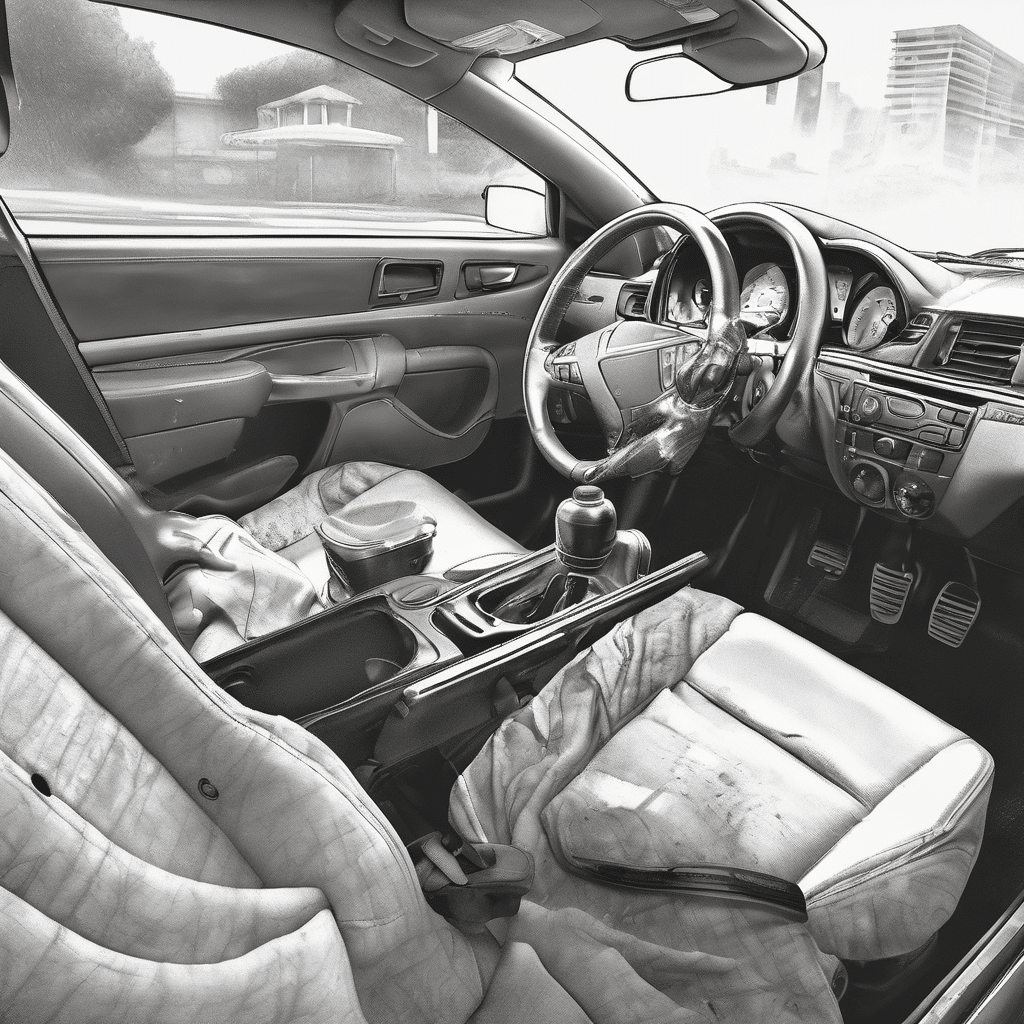
The art of interior car detailing is an often underestimated aspect of vehicle maintenance. When done properly, it can breathe new life into a car’s interior, enhancing both its visual appeal and its longevity.
Understanding Interior Car Detailing
Car detailing goes beyond simple cleaning; it’s about meticulous attention to detail. Every nook and cranny within the vehicle is attended to, ensuring a pristine finish.
It involves a thorough cleaning, restoration, and finishing of the car’s interior, making it look as close to new as possible. This process is integral for maintaining the health and value of the vehicle.
Why is Interior Car Detailing Important?
Interior car detailing is not just about aesthetics. It plays a crucial role in maintaining the car's overall health. Regular detailing prevents wear and tear and extends the car's lifespan.
Dust, dirt, and spills can degrade the interior condition over time. Detailing helps to eradicate these threats, keeping the car's environment clean and hygienic. A well-detailed car interior also provides a more pleasant driving experience and can potentially increase the vehicle’s resale value.
Essential Steps in Interior Car Detailing
The process of interior detailing involves various steps, each contributing to the final stunning result. Below is a general outline of the detailed process:
1. Vacuuming
Vacuuming is the first step in interior detailing. It removes all loose dirt and debris from the seats, carpets, and other surfaces. Professionals use powerful vacuums to ensure even the deepest dirt is lifted out.
2. Dusting and Wiping
All surfaces, including the dashboard, seats, and door panels, are wiped down. Special attention is given to getting rid of dust and grime without damaging the materials. This step often involves the use of specialised cleaning solutions designed for specific surfaces.
3. Upholstery Cleaning
Car seats and any upholstered surfaces require unique cleaning techniques. Leather requires conditioners, fabrics may need steam cleaning, and suede requires special brushes. Leather treatments often involve conditioning to prevent cracking.
4. Window Cleaning
Windows are cleaned using specific products to ensure they are streak-free. Clean windows are essential not only for aesthetics but also for maintaining a clear view while driving, contributing to road safety.
5. Odour Elimination
An often overlooked but vital aspect of detailing is odour removal. Professionals may use ozone treatments or other odor-neutralizing products to ensure a fresh-smelling interior.
Tools of the Trade
A detailed toolkit is essential for any interior car detailing professional. These tools ensure every cleaning task is performed efficiently and effectively.
- Vacuum cleaners: Powerful vacuums with various nozzles to reach all parts of the car.
- Microfibre cloths: Essential for dusting and wiping without damaging surfaces.
- Brushes: Different brushes for upholstery, crevices, and vents.
- Cleaning solutions: Specialised products for leather, fabric, and plastic surfaces.
- Steam cleaners: Useful for deep cleaning fabric seats and carpets.
Professional vs. DIY Detailing
While DIY detailing is possible, it's often best left to professionals for truly impressive results. Professional detailers have access to superior tools and products that the average car owner does not.
Moreover, professionals possess experience and expertise that enable them to tackle challenging detailing tasks effectively. Although DIY detailing can save money initially, professional detailing could be more cost-effective in the long run due to the potential value it adds to the vehicle.
Benefits of Professional Detailing
- Time-saving: Detailing can be time-consuming; professionals accomplish the work faster.
- Access to better tools: Quality equipment leads to better cleaning results.
- Expert knowledge: Professionals know the best techniques suited for different materials.
- Long-term cost benefits: Proper detailing prevents costly repairs due to wear and tear.
Common Questions About Interior Car Detailing
Is Interior Detailing Worth It?
Absolutely. The benefits of preserving your car’s interior, maintaining a clean and pleasant environment, and potentially increasing resale value make it a worthy investment for any car owner.
How Frequently Should Detailing Be Done?
This depends largely on usage. For daily drivers, a full detailing every six months is generally recommended, although frequent minor cleanings can keep the vehicle in good shape between full services.
Can Special Requests Be Made During Detailing?
Yes, most professionals offer customisable services. Whether it’s targeting a specific area or requesting odour removal treatments, detailers are often willing to tailor services to meet specific client needs.
Advancements in Car Detailing Technology
With rapid advancements in technology, car detailing is becoming increasingly sophisticated. Tools and products are continually evolving, making the detailing process more efficient and accessible.
Innovations like eco-friendly products and high-tech steam cleaners are just a part of the ongoing revolution in the detailing industry. These tools not only enhance cleaning efficiency but also reduce environmental impact.
In summary, interior car detailing is a vital component of vehicle maintenance that goes beyond mere cleanliness. It enhances the vehicle’s longevity, improves driver comfort, and maintains or even increases resale value. So whether you're a car enthusiast or just someone who takes pride in maintaining your vehicle, understanding and investing in quality detailing is always a wise move. The meticulous process not only revitalises a vehicle's appearance but also contributes to a healthier driving environment.
Leave a Reply