
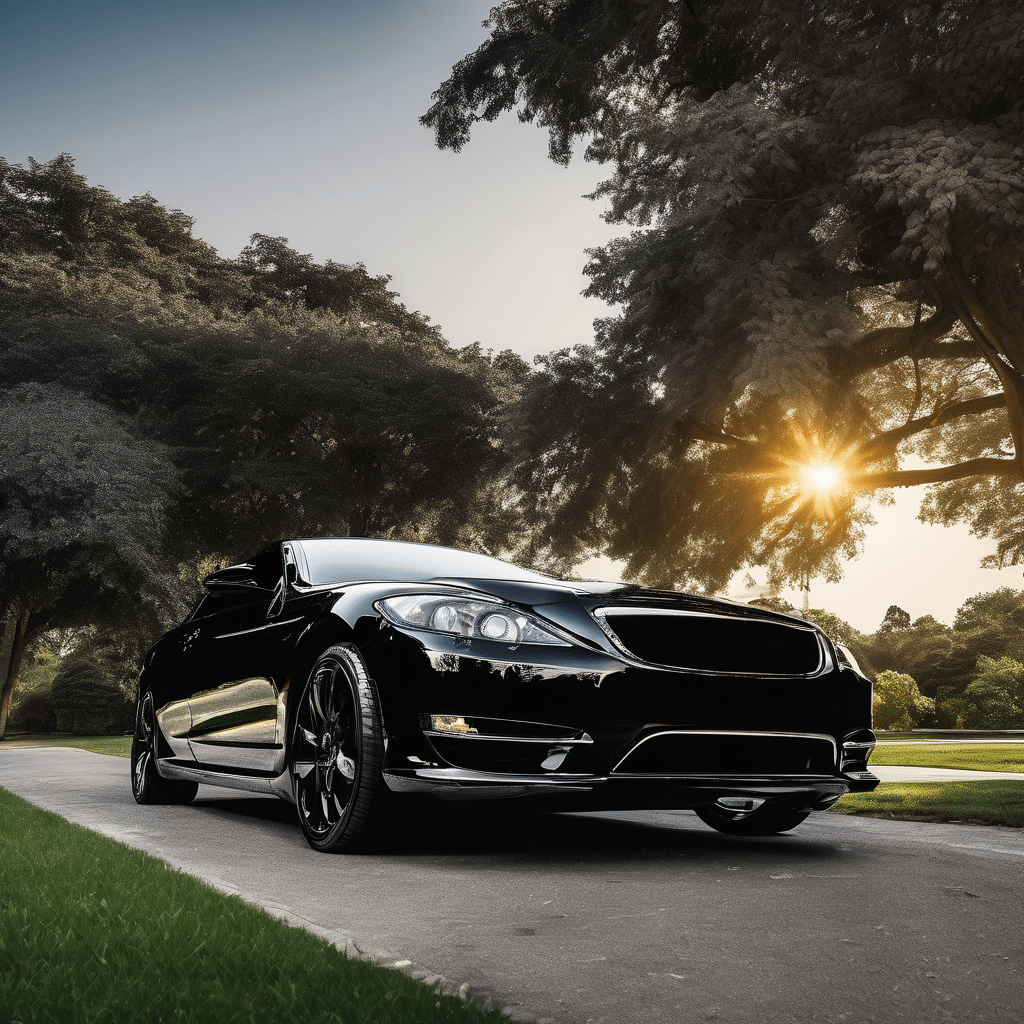
Your car's paintwork is one of its most attractive features, reflecting both its aesthetic value and your pride in it.
Understanding the Importance of Paint Protection
After a meticulous detailing session, your car looks pristine.
However, this is only the beginning if you want to maintain its lustrous shine.
Environmental contaminants are ever-present, threatening to dull your car's finish.
From bird droppings to harsh UV rays, your car faces numerous challenges daily.
Common Threats to Car Paint
- Pollution: Industrial waste and vehicle emissions can cause damage over time.
- Bird Droppings and Insect Residue: Both can be highly acidic, eating away at your car’s paintwork.
- Salt and Sand: Common on coastal roads, they can chip away at the surface.
- Sunlight: Prolonged UV exposure fades colour and causes oxidation.
Understanding these threats is essential to developing a protective strategy.
Steps to Protect Your Car Paint
Let's delve into the step-by-step approach to preserving your car's paint and maintaining that just-detailed appearance.
1. Regular Washing Is Crucial
Consistent washing with a gentle car shampoo removes abrasive contaminants.
Ensure you use the two-bucket method to avoid swirl marks: one for soapy water, the other for rinsing.
Use a microfibre cloth to dry your car, as it’s gentle on the paint.
2. Apply a High-Quality Wax
Waxing provides an extra barrier, giving your car a glossy finish and protection from environmental elements.
Choose a wax that suits your climate conditions for optimal protection.
- Clean the Surface: Always start with a perfectly clean and dry surface.
- Apply in Small Sections: Work in small areas to ensure even coverage.
- Buff for a Shine: Use a clean microfibre cloth to buff the surface.
3. Consider a Ceramic Coating
Ceramic coatings offer more durability than traditional waxes, often lasting for years.
They bond with the car's surface, forming a shield against dirt, water, and other contaminants.
This method requires professional application for the best results.
Advanced Protection Techniques
For those seeking a more robust solution, advanced techniques are available.
Paint Protection Film (PPF)
PPF is a transparent urethane film applied to the paintwork.
This film is virtually invisible and protects against chips, scratches, and UV damage.
It's particularly popular among luxury car owners in Australia.
Using a Car Cover
When parking outdoors, always use a car cover.
This simple tool protects against dust, bird droppings, and harsh weather conditions.
Opt for a breathable cover to prevent moisture build-up.
DIY Tips for Maintaining Your Car's Shine
Even with professional products, simple DIY care plays a key role in paint protection.
Avoid parking under trees to minimise falling debris and sap.
Rinse off contaminants like bird droppings immediately to prevent staining.
Occasionally inspect your car for scratches, addressing them before they worsen.
Weekly Maintenance Routine
- Inspect the Paintwork: Look for any new scratches or dings.
- Quick Rinse: If you’re short on time, a quick rinse can help remove surface dust and dirt.
- Spot Cleaning: Keep a detailing spray and cloth handy for immediate spot cleaning.
These tasks, though small, are invaluable in maintaining that polished look.
Professional Help vs DIY: When to Consider It
Professional detailing services offer expertise and access to premium products.
For busy individuals, this can be a more feasible option than DIY maintenance.
However, incorporate some elements of both for the best results.
Understand your car's specific needs and local environment when deciding.
Frequently Asked Questions
We often receive questions about maintaining car paint after detailing.
Here are some common queries addressed.
Is waxing enough for paint protection?
Waxing is beneficial, but combining it with other measures, like ceramic coating, offers deeper protection.
Can everyday washing be harsh for the car's paint?
Not if done correctly; using the right products and techniques makes it safe and necessary.
How often should I wax my car?
Usually every 3 to 4 months, but it can vary based on usage and environmental exposure.
En resumen, protecting your car's paint after detailing is an investment in your vehicle's longevity.
With proper care and attention, not only will your car continue to turn heads, but it will also retain its value over time.
Adopt these strategies to enjoy a pristine vehicle, even amidst Australia’s unique environmental challenges.
Compare detailing options before asking for a quote
After checking typical price factors, browse local detailers and compare services, location, packages and availability.
Leave a Reply