
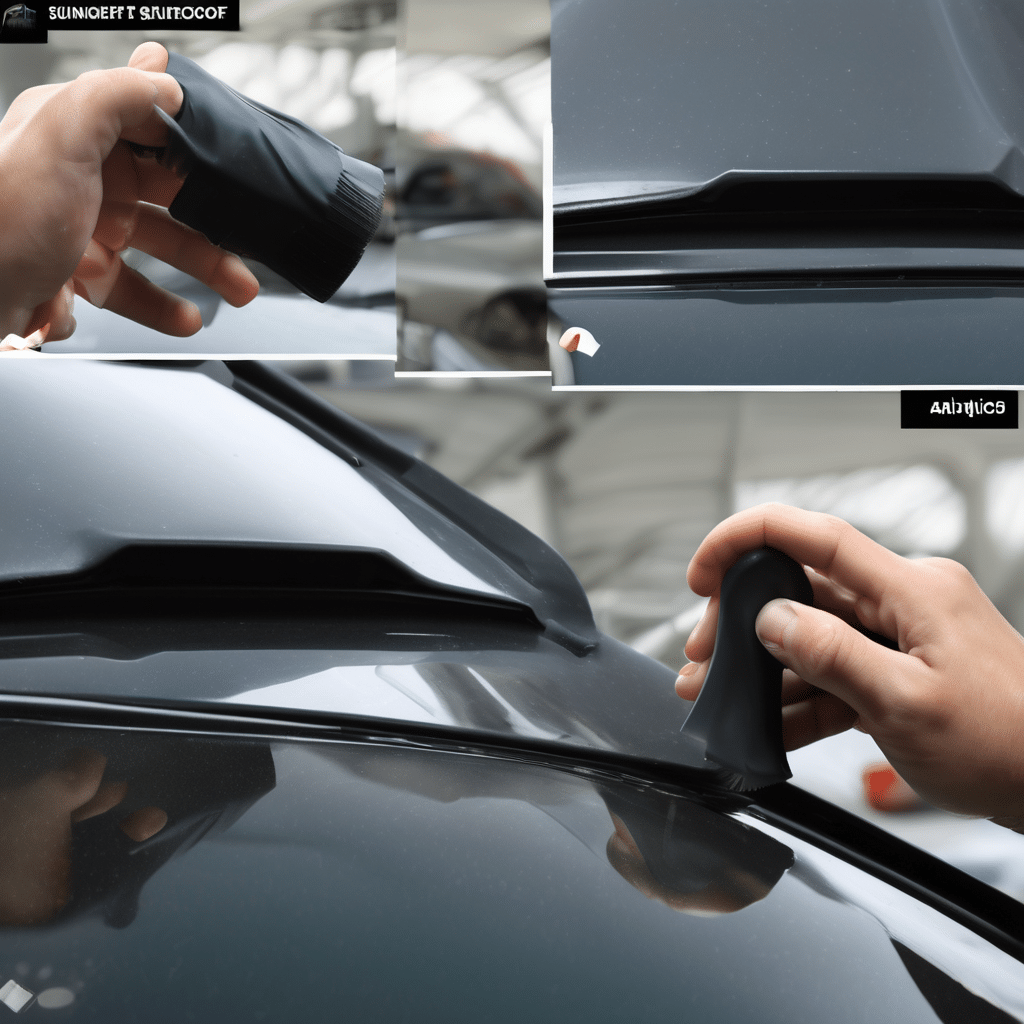
When stepping into your beautifully maintained car, have you noticed an often overlooked area? Your car's roof lining tends to be neglected, yet it plays a crucial role in the overall car detailing experience.
Understanding Car Roof Lining
Your car's roof lining—or ceiling upholstery—can easily accumulate dirt, dust, and grime over time.
This accumulation not only affects the aesthetics, but can also cause unpleasant odours.
And, while many car owners might think cleaning the roof lining is an optional task, it actually holds more importance than one might assume.
Effective cleaning assists in maintaining the interior's overall appeal and prevents potential damages.
Why Does Roof Lining Get Dirty?
You might wonder why the roof lining, an area that's out of direct reach, gathers so much grime.
Factors like smoke, dust, and even oils from your hands when touching the ceiling contribute to this dirt build-up.
Understanding these factors is essential in practicing cleaning techniques that preserve the lining's condition.
The Importance of Cleaning Your Car's Roof Lining
While aesthetics might be the obvious reason for cleaning, the hygiene factor is equally significant.
A dirty roof lining can harbour bacteria and allergens, leading to potential health issues, especially for those with respiratory problems.
Cleaning the roof lining can also prevent long-term damage, such as sagging, which might require costly replacements.
The good news is that proper maintenance can keep it in top shape and extend its lifespan.
Benefits of a Clean Car Roof Lining
- Enhanced visual appeal and professionalism.
- Reduction of unpleasant odours inside the car.
- Increased resale value of the vehicle.
- Ensures a healthier environment inside the car.
Effective Techniques for Roof Lining Cleaning
Knowing the right methods can save both time and money in maintaining your car's roof lining.
It's essential to choose proper techniques to prevent damage and achieve a spotless finish.
Various methods are tailored to different levels of dirt and material types.
Gentle Vacuuming
One of the most basic methods involves using a vacuum cleaner.
Ensure it has a soft brush attachment to avoid damaging the fabric.
Gentle vacuuming can effectively extract loose dust and debris.
Spot Cleaning Stains
- Identify the stained area and use a fabric-safe cleaner.
- Spray a small amount onto a cloth, not directly on the lining.
- Gently dab the stain, avoiding vigorous rubbing.
- Allow it to dry naturally.
Spot cleaning is ideal for managing spills and isolated marks on the fabric.
Steam Cleaning Method
For those more severe cleaning tasks, steam cleaning is a powerful option.
This method uses heat to lift dirt and kill bacteria, providing a deep clean.
However, consider consulting professionals if you're not familiar with this technique.
Using a Professional Detailer
If you're unsure or wary of damaging the fabric, hiring a professional car detailer can be an excellent solution.
They possess specialised equipment and expertise needed for delicate tasks like cleaning roof linings effectively.
Maintaining a Clean Roof Lining
After cleaning, you’ll want to keep the interior looking pristine for as long as possible.
This involves adopting some preventative measures.
Tips for Ongoing Maintenance
- Avoid smoking inside the vehicle to prevent smoke particles settling on the lining.
- Keep windows closed when on dusty roads.
- Regularly vacuum the interior to remove accumulating dust.
- Address spills immediately to prevent stains.
FAQs About Car Roof Lining Cleaning
Can I use water to clean my car roof lining?
No, excessive moisture can damage the glue holding the lining, leading to sagging.
Always use minimal water and appropriate solvents for spot cleaning.
How often should I clean my car's roof lining?
Ideally, a gentle vacuum every few months and a spot clean whenever visible stains or dirt appears.
What are the signs that my roof lining needs cleaning?
Visible dust layers, stains, or lingering odours are common indicators.
Can I prevent my roof lining from sagging?
Maintaining dry conditions and avoiding excessive use of water-based cleaners can impede sagging.
What materials are common in car roof linings?
Common materials include suede, vinyl, leather, and polyester blends.
Each requires different cleaning approaches.
When in doubt, consult the vehicle's manual or a professional detailer.
Consulting Experts for Advice
In cases of extensive stains or complex materials, consulting an expert is advisable.
Understanding your specific material and stain condition can result in a more tailored cleaning approach.
Remember, professionals are equipped with industry-grade kits to manage more challenging cleaning needs.
Is DIY Roof Lining Cleaning Safe?
Many car owners opt for DIY methods with great success.
However, the key is using the right tools and solutions suitable for your car's fabric type.
Online tutorials can be beneficial, but exercise caution and avoid techniques that can potentially damage the material.
Stick with gentle cleaning methods when unsure.
Test any new cleaner on a small, hidden part of the lining to ensure it won't harm the material.
While DIY can be cost-effective, knowing when to call a professional is equally important.
Final Thoughts on DIY vs Professional Cleaning
Balancing between self-effort and professional help depends on the severity of dirt and damage on your roof lining.
Ultimately, the goal is to maintain the interior's pristine condition to enjoy a pleasant driving experience.
In summary, understanding car roof lining cleaning remains integral to comprehensive car detailing.
Considering its impact on a vehicle's interior aesthetics and hygiene, it’s a task worth prioritising.
Whether opting for DIY methods or consulting professionals, maintaining a clean roof lining contributes to a well-maintained vehicle.
Compare detailing options before asking for a quote
After checking typical price factors, browse local detailers and compare services, location, packages and availability.
Leave a Reply