
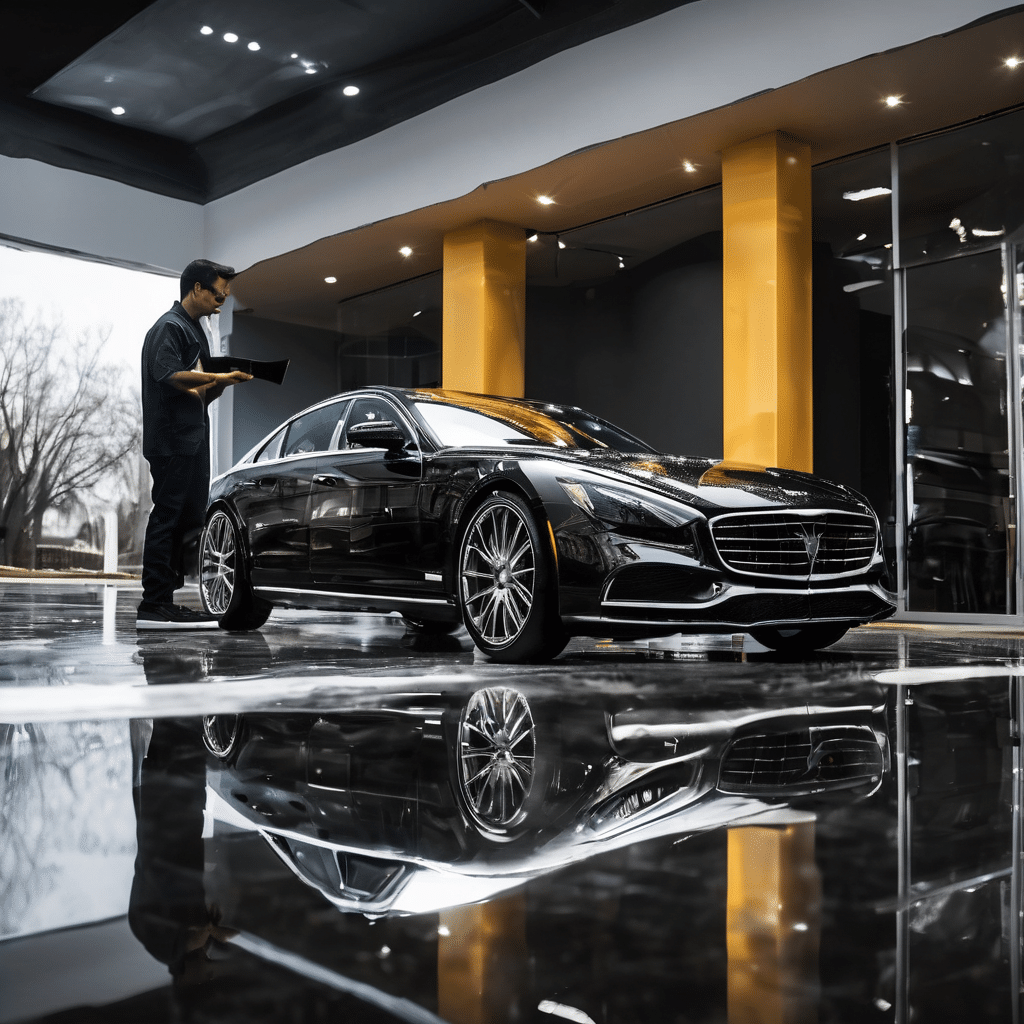
Driving along Australia’s beautiful coastlines or urban landscapes, you’d want your car looking its best. But how often should you polish your car to maintain that showroom shine?
Understanding the Importance of Polishing
Polishing your car is not the same as waxing. It's more about smoothing the surface of your car’s paintwork.
Car polishing helps remove minor scratches, swirl marks, and oxidised paint.
The main benefit of polishing is achieving a flawless, smooth finish before any protective coating, like wax, is applied.
Factors Determining How Often to Polish
Several factors influence the frequency of car polishing. Let's explore a few.
1. Environmental Impact
The environment where you drive and park your car plays a significant role.
- If you live by the coast, the salt can impact your car's paintwork.
- Urban environments expose your car to pollution and industrial fallout.
- Country roads might mean more dust and debris causing minor scratches.
Regular maintenance is crucial under these conditions.
2. Your Car's Age and Condition
An older car might have compromised paint and require more frequent polishing.
Newer cars with fresh paint might only need polishing once or twice a year.
3. Lifestyle and Usage
If you frequently drive long distances or off-road, more frequent polishing might be necessary.
For cars used primarily for casual weekend drives, once or twice a year might suffice.
When Is the Best Time to Polish?
Choosing the right time is crucial for effective polishing.
Spring is an ideal season. After the harsh summer sun, it’s a great time to restore your car's paint.
You might also consider polishing before significant events or road trips to look your best.
Steps to Polish Your Car Effectively
While hiring a professional is the best approach, some enthusiasts like to do it themselves.
1. Preparation
- Wash and dry your car thoroughly to remove surface dirt and grime.
- Inspect your car under good lighting to identify areas needing more attention.
2. Choosing the Right Polish
Be cautious: Not all polishes are the same. Choose one that's suitable for your car’s paint type.
Ask professionals if in doubt. They can guide you on which polish to use.
3. Application
Apply a small amount of polish with a damp applicator pad.
Use a circular motion to cover the entire panel you’re working on.
4. Buffing
After the polish hazes, buff it off with a clean, soft cloth to reveal that shine.
Repeat the process on other sections of the car.
Professional Polishing: Is It Worth It?
While DIY is rewarding, professional services ensure a showroom finish.
Professionals have access to advanced tools and materials that enhance the results.
In Australia, car detailing services are found across every city and provide excellent advice.
A Cost vs. Timing Perspective
- Professional polishing may cost more, but it saves you time and guarantees quality.
- Consider the value of your time and how much a polished look means to you.
Common Mistakes and How to Avoid Them
There are common errors car owners make when polishing. Let's see how to avoid them.
Not Cleaning Thoroughly
Never skip a thorough wash. Residual dirt can cause more scratches.
Over-polishing
Polishing too often can wear down your car’s paint. Find a balance according to your car’s needs.
Using the Wrong Products
Always choose products compatible with your car’s specific paint.
In conclusion, polishing your car brings out its best. By considering factors like your environment, car age, and lifestyle, you can determine the optimal polishing schedule. Whether you choose to DIY or opt for professional care, ensuring your car shines brightly on Australian roads is the ultimate goal. In short, remember: regular but mindful polishing keeps your vehicle in tip-top shape.
Compare detailing options before asking for a quote
After checking typical price factors, browse local detailers and compare services, location, packages and availability.
Leave a Reply