
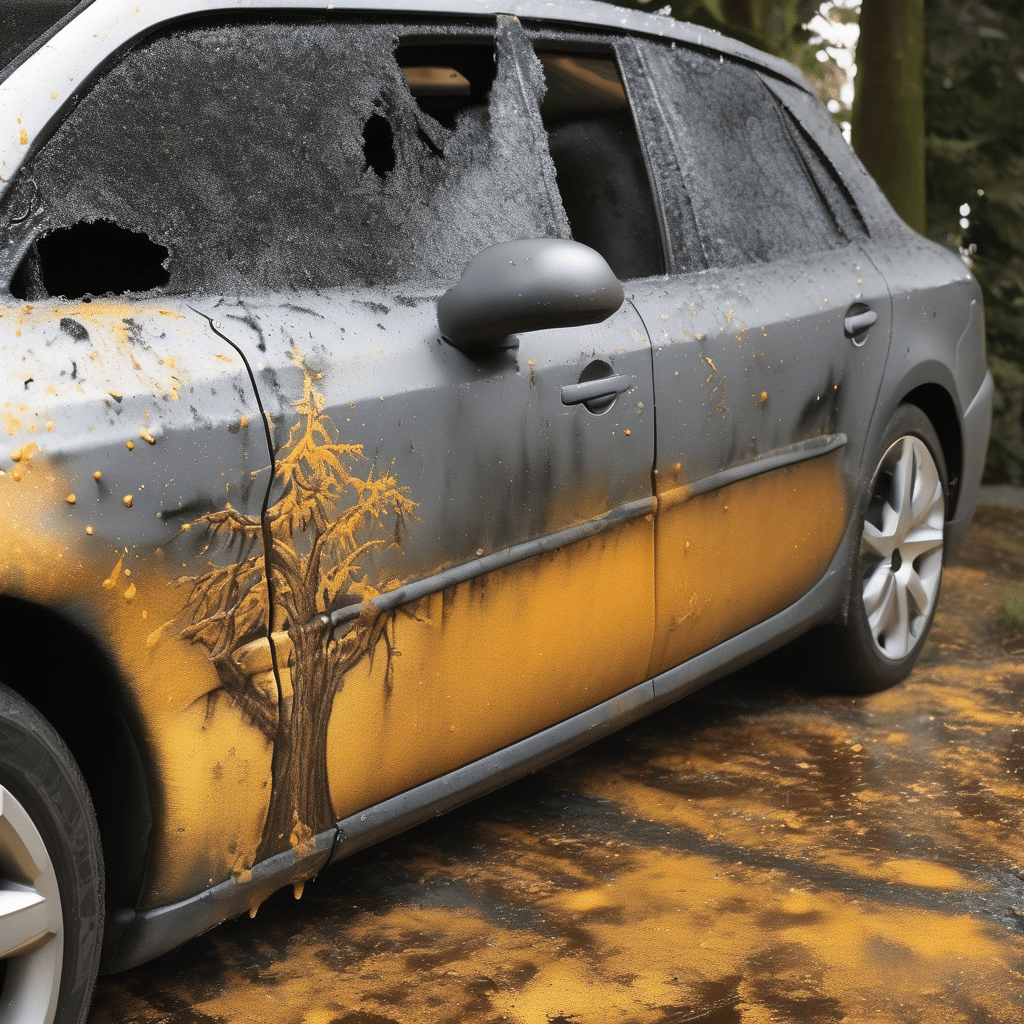
When it comes to maintaining a car's pristine finish, few things can be as troublesome as *tree sap*. The sticky residue has an uncanny ability to adhere to vehicles, creating a nuisance for car owners across Australia.
Understanding Tree Sap
Tree sap is a natural fluid produced by trees, acting as their lifeblood. It helps transport vital nutrients and water throughout the plant. However, when it lands on your car, it can become a stubborn adversary.
In Australia's diverse flora, several native trees like Eucalyptus and Acacias often shed their sap. This creates the perfect scenario for unwelcome deposits on your vehicle.
Why Tree Sap is a Problem
Tree sap can cause significant damage to your car's paintwork if left unaddressed. The sticky substance acts like an adhesive, captivating dirt and dust, which can scratch the paint surface.
Over time, exposure to sunlight bakes sap onto the car's exterior. The result? A hardened blemish that challenges even seasoned detailers.
But does tree sap pose an immediate threat? Or is it a slow-burn problem that creeps up gradually?
Immediate vs Long-term Effects
In the short term, tree sap is an *eyesore*. It's unsightly, and its sticky texture attracts more than just dirt—creating an unclean appearance.
With prolonged exposure, the sap can seep into the layers of paint. This chemical reaction can cause discolouration and create etchings on the paint surface.
How Long Can Tree Sap Stay?
There's no one-size-fits-all answer to this. The duration depends on several factors, including environmental conditions, the type of sap, and how long it remains untreated.
In many cases, *tree sap can stay on car paint* for days, even weeks, before causing noticeable damage. As mentioned earlier, its impact intensifies under the harsh Australian sun, accelerating the risk of damage.
Factors Influencing Duration
1. **Weather**: Heat speeds up the drying process, making sap harder to remove. Cooler, humid conditions, on the other hand, might slow down its hardening.
2. **Type of Tree**: Some trees produce sap that's more acidic or volatile, increasing the potential for paint damage.
3. **Paint Condition**: Well-maintained paint offers better resistance against sap. On the flip side, neglected surfaces are more susceptible to damage.
Preventing Tree Sap Damage
Does prevention make a difference? Absolutely. Being proactive can save your car from potential harm.
- **Park Smart**: If possible, avoid parking under trees. Choose open or covered spaces instead.
- Regular Washing: Frequent cleaning removes sap before it can set, reducing the risk of permanent damage.
- Protective Coatings: Applying wax or sealant can provide an additional layer of protection against contaminants like sap.
Professional Detailing
What if sap has already bonded with your car's paint? While home remedies abound, professional detailing might be your best bet.
Detailers employ specialised products and techniques to safely remove sap without harming the paint. Their expert touch ensures a clean, polished finish every time.
DIY Sap Removal Methods
If professional detailing isn't an option, there are DIY methods to remove sap. Though they require considerable care, they can be effective when done correctly.
Safe DIY Techniques
- **Warm Soapy Water**: Gently scrubbing with a microfibre cloth can work wonders on fresh sap.
- Rubbing Alcohol: The alcohol breaks down sap, making it easier to remove.
- Clay Bar Treatment: Clay bars can lift sap without scratching the paint, but they should be used by those familiar with the process.
Always spot-test any product on a hidden area of your car to ensure it doesn't hurt the paint.
Potential Risks of DIY Methods
DIY methods require caution. Overzealous scrubbing increases the risk of scratching. Similarly, using harsh chemicals might etch the paint surface.
What's more, DIY enthusiasts should focus on removing the sap gently without rushing the process.
The patience and care you invest will pay off in preserving your vehicle's aesthetic.
So, how can you maintain your car's attractive finish in the face of troubling sap?
Ensuring Long-term Protection
The key lies in regular maintenance. Keeping your car clean prevents sap from gaining a foothold and helps maintain its value.
Regular waxing and sealing, coupled with prompt attention to sap, can offer enduring protection. When in doubt, a professional touch can help.
In summary, tree sap's impact on car paint hinges on exposure and care. Left unchecked, it can cause cosmetic and long-term damage, but with proactive measures and prompt removal, you can maintain your car's gleaming facade.
Consistent maintenance remains your frontline defense against the sticky adversary nature throws your way.
Compare ceramic coating and protection options
Check local detailers and confirm preparation, coating type, paint correction, warranty terms and aftercare before booking.
Leave a Reply