
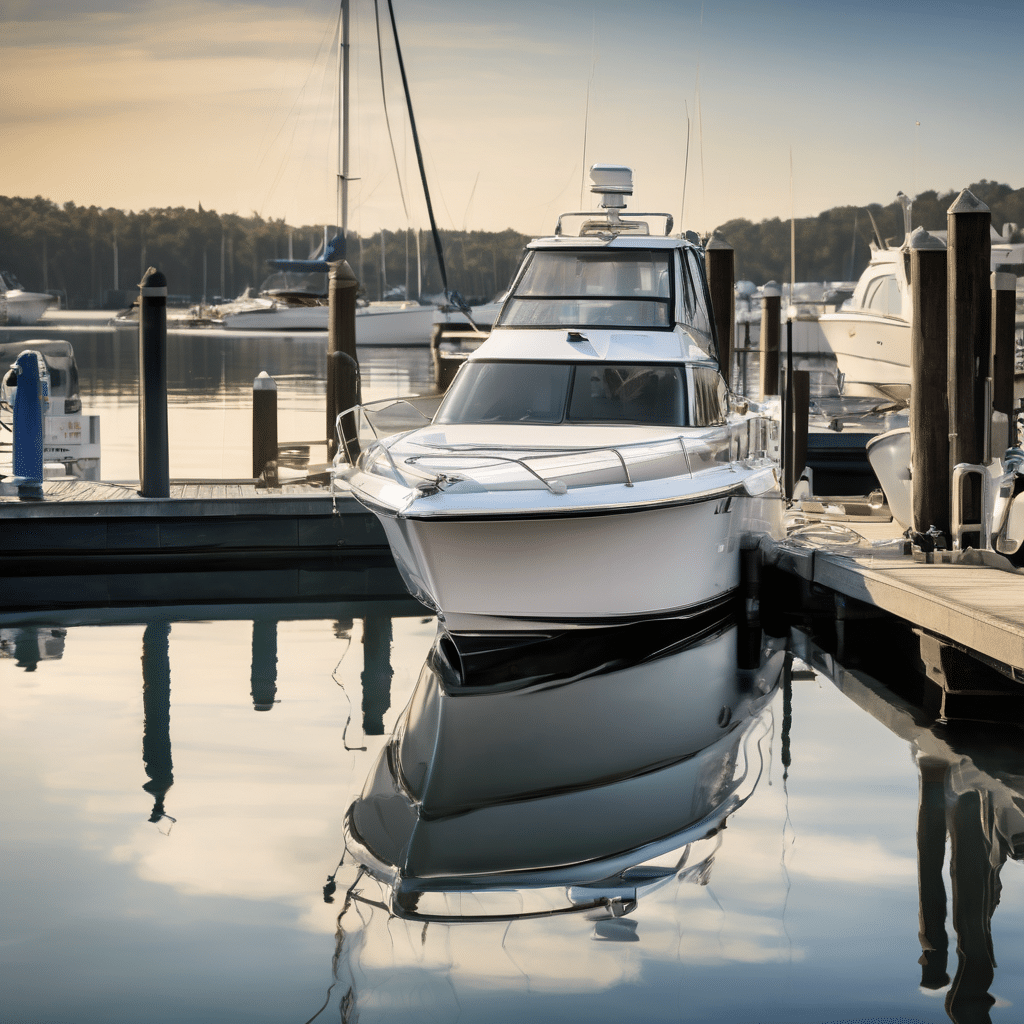
The world of car detailing isn’t limited to just vehicles on the road.
A growing niche within the industry focuses on the meticulous care of boats and marine vehicles.
This specialty requires understanding not just the techniques, but also the environmental challenges unique to marine settings.
Understanding Marine Detailing
Marine detailing is fundamentally about maintaining a boat’s aesthetics and functionality to its maximum potential.
Just like cars, boats are exposed to the elements, but with the added complication of water, salt, and sun over prolonged periods.
This makes regular detailing essential not just for appearances, but also for longevity and preservation of value.
Key Differences from Car Detailing
While there are similarities to car detailing, marine detailing introduces unique challenges.
The materials in marine vehicles, such as gel coats, marine vinyl, and teak wood, require products that will not damage their surfaces.
The constant exposure to saltwater can lead to corrosion and oxidation if not treated properly.
Keeping these elements in mind is crucial for effective maintenance and preservation.
The Importance of Products
Using specific marine-friendly products is essential.
Boat owners benefit significantly from using cleaners and waxes designed to protect from UV rays and saltwater exposure.
Ordinary car products may strip surfaces and leave them vulnerable to damage.
- Biodegradable cleaners: These are crucial for environmental safety while cleaning.
- Marine waxes: Ensure long-lasting protection from sun and salt.
- Teak cleaners: Perfect for maintaining wooden surfaces without causing damage.
Steps to Properly Detail a Boat
Pre-Detailing Preparation
Before you start detailing any boat, it's crucial to undertake some preparation.
Begin with a thorough inspection to assess areas requiring attention.
This will help customize the approach and ensure you have all necessary products at hand.
Cleansing the Exterior
The external surface of a boat, especially the hull, is prone to algae, salt, and grime build-up.
Start with a fresh water rinse to remove loose debris, followed by applying a quality biodegradable soap.
This initial cleanse sets the stage for more focused detailing.
- Rinse thoroughly to remove scattered debris.
- Use a soft brush to scrub the hull with marine soap.
- Pay attention to waterline marks and stubborn stains.
- Rinse off soap thoroughly to prevent streaks.
Interior Detailing
The interior of a marine vessel requires its own attention.
Boat interiors often involve a mix of upholstery, wood finishes, and metal components.
Regular cleaning prolongs the life of these materials and keeps the cabin inviting and functional.
Use appropriate marine-approved detergents for upholstery and condition leather finishes to prevent cracking.
Metal Cleaning
Detailing the metal parts, like railings and engine components, is crucial.
Saltwater accelerates the rusting process, so an anti-corrosion cleaner and polish specifically designed for marine metals is recommended.
Pay special attention to areas prone to salt build-up, ensuring they are thoroughly cleaned and protected.
Key Benefits of Regular Marine Detailing
Why invest in marine detailing regularly?
It maintains aesthetic appeal, which is crucial for both personal enjoyment and resale value.
Moreover, detailing prevents long-term damage, addressing immediate concerns that could become costly repairs.
By investing in regular care, you extend the life span of your marine vehicle significantly.
Resale Value Preservation
A well-maintained boat appeals more to potential buyers.
Consistent detailing ensures your boat looks its best, potentially increasing its value at sale.
Enhanced Performance
A clean vessel performs better.
Regular removal of grime and algae reduces drag, improving fuel efficiency and overall performance in water.
This makes for a cleaner glide through water and optimises the overall boating experience.
Tips for Boat Owners
- Detail your boat at least twice annually for best results.
- Invest in quality products; they offer better protection and longer-lasting results.
- Consider hiring professional services for larger vessels to ensure comprehensive care.
- Always rinse off saltwater after each usage to prevent salt build-up and corrosion.
- Lubricate hinges and crankables to keep them in smooth operation.
If you're in Australia, taking advantage of local services ensures your boat receives care suited to local conditions.
With the vast Australian coastline, there’s expertise readily available for all detailing needs.
Look for services that are well-reviewed and specialise in marine vehicles for the best results.
In summary, marine detailing is a multifaceted process that involves care, precision, and the right set of tools.
Knowing the materials and being mindful of products is vital.
Remember, protecting your investment is more than visual appeal; it's about enhancing performance and durability.
With consistent, informed care, your boat will not only look stunning but deliver peak performance for years to come.
Compare detailing options before asking for a quote
After checking typical price factors, browse local detailers and compare services, location, packages and availability.
Leave a Reply