
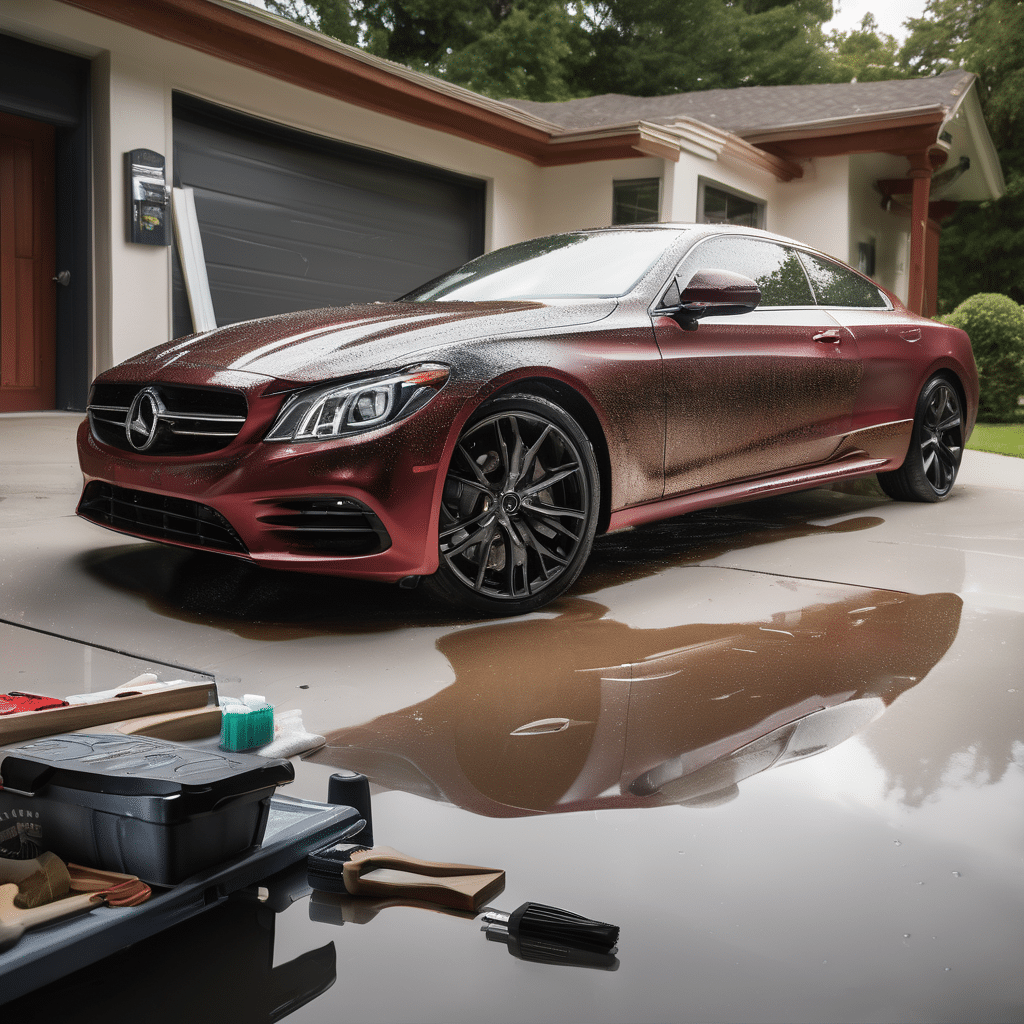
Bugs can be a real nuisance when they get splattered on your car's surface, especially in Australia where road trips are a way of life. These pesky marks can be tough to remove, and you certainly want to do it without scratching the clear coat. With a little effort and the right techniques, you can maintain the pristine look of your vehicle.
Understanding the Problem
Bug splatters are more than just unsightly.
They can be chemically abrasive to your car's paint.
The longer they stay on the surface, the harder they become to remove.
These marks are stubborn because they are composed of proteins and acids.
These elements can bond quite strongly with the car's clear coat.
When not addressed timely, their removal can lead to scratches.
Softening the Bug Residue
The first step in the cleaning process is to soften the bug marks.
This ensures they are easier to remove without harsh scrubbing.
Use of Bug Remover Sprays
There are specialised bug remover products available.
Spray a light coating on the affected areas.
Allow it to sit for a few minutes.
This softens the bug residue effectively.
Homemade Solutions
If commercial products aren't your preference, consider a DIY solution.
Mix water with a mild soap.
A small amount of baking soda can increase effectiveness.
Apply the mixture gently to the bug marks.
- Spray the affected area with water.
- Apply the solution.
- Let it soak for a short period.
Removing the Bug Marks Gently
Once softened, the residue can be removed without much risk.
Microfiber Towels: A Must-Have
Microfiber towels are essential for this task.
They are soft and prevent scratching.
Always use clean towels to avoid any dirt transfer.
The Right Technique
Wipe the area using gentle circular motions.
Do not apply excessive pressure.
Rinse the towel regularly to remove any picked-up residue.
- Start from the top, moving in sections.
- Use separate towels for different parts of the car.
- Rinse thoroughly afterwards to ensure all residue is gone.
Prevention: The Best Remedy
While removing bugs is essential, prevention is even better.
Applying a Protective Wax Coating
Regular waxing simplifies future cleaning processes.
The layer of wax acts as a protective barrier.
Waxing makes it difficult for bugs to bond with the paint.
Using Bug Guards
Bug guards or deflectors are an excellent investment.
They redirect airflow to minimize bug contact.
These accessories are especially useful for highway travel.
Additional Tips and Anecdotes
Professional car detailers often share tips for optimal results.
One technique involves using clay bars after softening the bug splatters.
Clay bars provide gentle abrasion to remove bonded residues subtly.
In one instance, an Australian detailer revealed using detailing clay made the task less daunting.
Another suggestion is to avoid conducting this task under direct sunlight.
Sunlight can cause cleaning agents to dry too quickly.
This reduces their effectiveness and may lead to streaks.
If you’ve ever driven through rural Australia, you've likely experienced bug infestations on your vehicle.
A driver recounted having to stop frequently to clean off bugs while traveling to a remote national park.
With the above methods, the cleaning became quicker and less rigorous than anticipated.
En resumen, maintaining your car's appearance doesn't have to be cumbersome.
By employing the right techniques, you can efficiently remove bug marks without damaging the clear coat.
Implementing a regular cleaning and protection routine will keep your car gleaming and fresh.
Remember, a well-maintained car not only looks good but also maintains its value over time in the ever-demanding Australian conditions.
Compare detailing options before asking for a quote
After checking typical price factors, browse local detailers and compare services, location, packages and availability.
Leave a Reply