
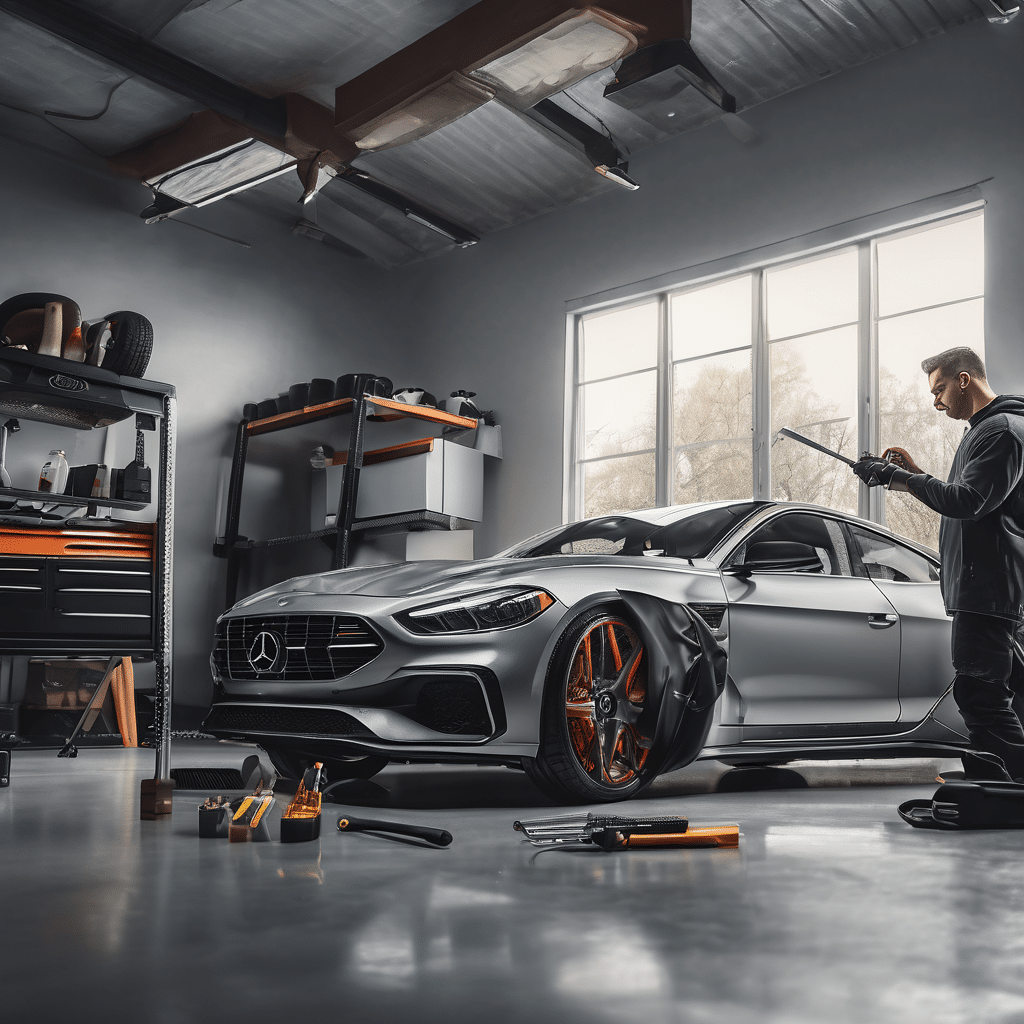
After having your car professionally detailed, it's easy to assume that everything is just perfect. However, there are several things you should check to ensure the process was carried out to the high standards you expect. Taking the time to review these details can make a significant difference in maintaining your vehicle's aesthetic and functional value.
Exterior Inspection: Shine, Swirls, and More
The first thing you'll notice about a detailed car is its shine. But there's more to inspect beyond the gleam. Begin by walking around your vehicle, taking a close look at the paint finish. Ensure that it’s free of swirl marks and scratches, which can sometimes occur if incorrect detailing techniques were used.
Another crucial element is checking the cleanliness of the wheels and tyres. These areas are often neglected in lower-quality detailing jobs. Scrutinise the tyres for an even, deep black finish, free from overspray or spots of dirt.
Windows and mirrors should be crystal clear. Look for streaks, missed spots, or any signs that the correct glass cleaners weren't used. A clean windshield, in particular, enhances visibility and overall safety.
Inspect the Small Touches
Pay attention to the gaps between panels, along the edges of the doors, bonnet, and boot—often called the "jewellery" of detailing. These should be free of drying marks or wax residue.
- Check for any leftover product in these areas.
- Ensure emblems and badges are cleaned correctly.
- Side mirrors should show no sign of water spots.
Interior Evaluation: Cleanliness and Comfort
Upon inspecting the interior, start with the seats and upholstery. Regardless of whether your seating is leather, fabric or another material, they should feel clean to the touch without any leftover residue.
Carpets and mats deserve particular attention, as they often trap dirt and odours. Ensure they are thoroughly vacuumed and smell fresh. Great care should have been taken to handle any stubborn stains.
Dashboard and Electronics
The dashboard, console, and all electrical components must be devoid of dust and fingerprints. Buttons and knobs should move freely without any stickiness or grime.
Inspect the air vents to ensure they are cleared of dust and debris, which affects both air quality and system efficiency.
- Check that your infotainment screen is free of smudges.
- Look over the steering wheel for cleanliness.
- Inspect cupholders and small compartments for no missed debris.
Engine Bay: Often Overlooked
In a comprehensive detailing job, the engine bay shouldn’t be neglected. While it's an area you may not see often, a clean engine bay can ease maintenance and highlight potential issues more quickly.
Ensure that there’s no excess moisture, as this can cause problems with electrical components. All surfaces should be dirt and grease free, giving you a clear view of the engine and surrounding elements.
Engine dressing may be applied during detailing, so check that it’s evenly applied without leaving a greasy finish.
Final Checks and Maintenance Tips
Once you’ve performed a thorough inspection, it’s important to set a regular maintenance schedule. Detailing is not just a one-time event but part of an ongoing maintenance regime to keep your car in top condition.
Carrying out regular maintenance helps lengthen the life of the detailing thereby enhancing the vehicle's longevity and value.
- Check your vehicle’s condition regularly, particularly after a wash.
- Use appropriate products between detailings to keep surfaces fresh.
- Consider investing in quality cleaning tools and products for touch-ups.
Wax and sealants applied during detailing will last a few months. During this period, avoid aggressive cleaning methods or harsh chemicals that could strip these protective layers.
Address Issues Swiftly
If you notice any problems or missed areas, contact your detailing service promptly. Most reputable professionals will correct any oversights without additional charges.
Always communicate clearly with your detailer to ensure expectations align with the delivered results.
Consider building a relationship with a trusted detailer who understands your specific requirements and preferences.
In summary, inspecting your car after detailing is more than a final check—it's an opportunity to understand your car's health and forearms you with knowledge to maintain it. Regular inspections ensure your investment in detailing services is worthwhile, keeping your car looking fresh and retaining its value over time. Whether you're new to detailing or a seasoned enthusiast in Australia, these insights serve as a handy guide for what to anticipate and maintain in pursuit of the perfect shine.
Compare paint protection services
Browse local options for coatings, paint protection, polishing and preparation before requesting a quote.
Leave a Reply